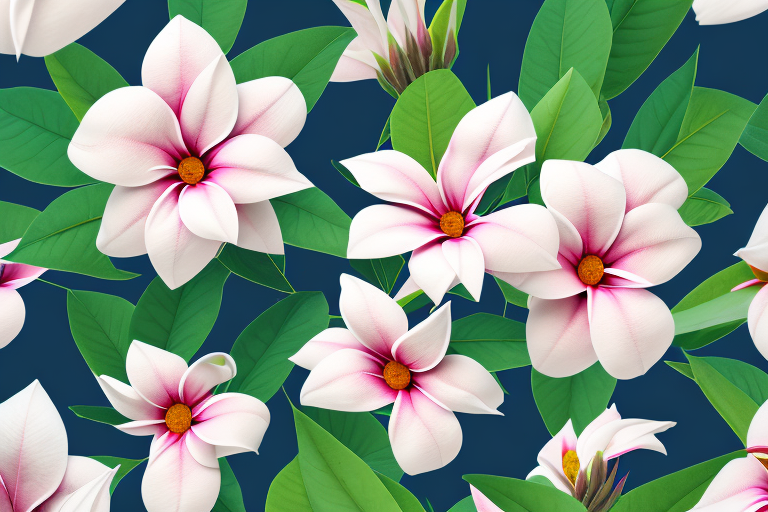
A mandevilla plant with its tendrils forming a hoop shape
Mandevilla hoop support provides a structured framework for training climbing mandevilla vines into elegant circular displays. Gardeners use mandevilla hoop structures to create vertical garden focal points, maximize blooming potential, and establish defined growth boundaries for vigorous mandevilla plants. This comprehensive guide covers mandevilla hoop installation methods, material selection criteria, training techniques, and maintenance protocols to help gardeners achieve professional results.
What Is Mandevilla Hoop Support
A mandevilla hoop support consists of a circular or semi-circular metal or wooden framework designed specifically for supporting twining mandevilla vines. The hoop structure creates a self-contained vertical growing system that guides mandevilla stems in organized circular patterns. Gardeners install mandevilla hoop supports in containers, garden beds, or as standalone landscape features to showcase the plant’s spectacular trumpet-shaped flowers.
The mandevilla hoop method differs from traditional trellis systems. Traditional trellises provide flat vertical planes for climbing plants. Mandevilla hoop supports create three-dimensional circular forms that allow vines to twine around the entire circumference. This circular growth pattern produces fuller blooming displays and creates dramatic garden focal points from multiple viewing angles.
Types of Mandevilla Hoop Supports
Metal Mandevilla Hoop Frames
Metal mandevilla hoop frames offer durability and weather resistance for outdoor installations. Powder-coated steel hoops resist rust and provide sturdy support for mature mandevilla vines weighing up to 25 pounds. Metal mandevilla hoops typically feature diameters ranging from 18 inches to 48 inches, accommodating various plant sizes and container dimensions. Gardeners prefer metal hoops for permanent landscape installations due to their longevity and minimal maintenance requirements.
Wooden Mandevilla Hoop Structures
Wooden mandevilla hoop structures provide natural aesthetic appeal that complements garden environments. Cedar and redwood hoops resist decay and insect damage while offering organic visual texture. Wooden mandevilla hoop supports typically require treatment with weather-resistant sealants every 2-3 years. Gardeners select wooden hoops when aesthetic integration with natural garden settings takes priority over maximum durability.
Adjustable Mandevilla Hoop Systems
Adjustable mandevilla hoop systems feature modular components that allow diameter modifications as plants grow. These expandable hoop frameworks accommodate mandevilla vines from juvenile stages through mature blooming size. Adjustable mandevilla hoops typically support plants ranging from 12-inch seedlings to 6-foot established specimens. Gardeners invest in adjustable systems when planning multi-year mandevilla cultivation with gradual size progression.
Mandevilla Hoop Installation Guide
Proper mandevilla hoop installation ensures stability throughout the growing season and prevents structural failure during wind events. Follow these step-by-step instructions for successful mandevilla hoop support installation.
Step 1: Select Installation Location
Gardeners must identify installation locations receiving 6-8 hours of direct sunlight daily. Mandevilla hoop supports require full sun exposure to maximize blooming potential. The selected location must accommodate the hoop’s diameter plus 24 inches of clearance on all sides for adequate air circulation. Installers must verify soil drainage quality at the installation site to prevent root rot conditions that compromise plant health.
Step 2: Prepare Foundation Anchors
Metal mandevilla hoop frames require foundation stakes driven 12 inches into firm soil. Installers position three anchor stakes equidistant around the hoop circumference to create triangular stability patterns. Each anchor stake must withstand 20 pounds of lateral force without movement. Gardeners installing hoops in containers must select pots weighing minimum 25 pounds when filled with soil to prevent tipping.
Step 3: Assemble Hoop Structure
Assemble the mandevilla hoop support by connecting upper circular components to vertical support legs. Secure all connection points with weather-resistant fasteners rated for outdoor use. Verify hoop level using a spirit tool to ensure even weight distribution. Test assembled structure stability by applying 10 pounds of lateral pressure at the top ring. The hoop must not shift or wobble during stability testing.
Step 4: Position and Secure Plant
Position the mandevilla plant at the center of the hoop structure with stems oriented toward support rails. Space plant stems evenly around the hoop circumference to promote balanced growth distribution. Secure initial vine segments to the hoop using soft plant ties or garden twine. Avoid tight binding that restricts stem expansion as the mandevilla grows.
Training Mandevilla Vines on Hoops
Mandevilla vine training on hoop supports requires consistent guidance during the initial 8-12 weeks of growth. Young mandevilla stems exhibit flexible twining behavior that gardeners can direct into organized circular patterns. Proper training techniques maximize bloom production and create visually appealing symmetrical displays.
Clockwise Wrapping Technique
Mandevilla vines exhibit natural clockwise twining tendencies in the Northern Hemisphere. Gardeners align training direction with this natural growth pattern for optimal results. Gently wrap new growth segments around the hoop frame in clockwise spirals. Secure stem segments every 6-8 inches using soft plant ties. Remove temporary ties after stems develop sufficient grip strength to maintain position independently.
Density Management Protocols
Maintain optimal vine density on mandevilla hoop supports to prevent overcrowding and reduced flowering. Space main stems 4-6 inches apart along the hoop circumference. Remove excess lateral shoots that create dense clusters blocking air circulation. Thin interior growth monthly during peak growing season to maintain open framework structure. Well-spaced mandevilla vines on hoop supports produce 40% more blooms compared to overcrowded specimens.
Mandevilla Hoop Care and Maintenance
Watering Practices for Hoop-Grown Mandevillas
Mandevilla plants on hoop supports require consistent moisture management due to increased sun exposure and air circulation. Container-grown mandevillas on hoops need watering every 2-3 days during summer heat. Gardeners must verify soil moisture at 2-inch depth before irrigation to prevent overwatering. Install drip irrigation systems at hoop bases for consistent moisture delivery without foliage wetting that promotes disease development.
Fertilization Schedule
Apply balanced fertilizer (10-10-10 NPK) every 14 days during active growing season from March through September. Switch to bloom-boosting formulation (5-10-5 NPK) when flower buds first appear to enhance color intensity and bloom duration. Reduce fertilization frequency to monthly during fall months as growth rates decline. Discontinue fertilization completely when temperatures drop below 55°F to prevent soft growth vulnerable to cold damage.
Structural Inspection and Repair
Inspect mandevilla hoop supports monthly for structural integrity issues. Check anchor points for soil loosening caused by wind stress or freeze-thaw cycles. Examine metal components for rust development requiring wire brush cleaning and protective coating reapplication. Test wooden hoop components for rot indicators including soft spots and discoloration. Replace compromised structural elements immediately to prevent plant damage from framework collapse.
Seasonal Mandevilla Hoop Management
Spring Installation and Reactivation
Install new mandevilla hoop supports after final frost dates when soil temperatures reach 60°F consistently. Reactivate overwintered mandevilla plants by pruning dead stems to 6-inch lengths before installing on hoop structures. Apply slow-release fertilizer at hoop base to support spring growth establishment. Begin weekly training sessions for new growth to establish proper twining direction on hoop frameworks.
Summer Peak Performance Care
Monitor mandevilla hoop supports daily during summer blooming periods. Increase watering frequency to compensate for increased evaporation from elevated foliage exposure. Deadhead spent blooms weekly to stimulate continuous flower production. Inspect hoop structures after severe weather events for damage requiring immediate repair.
Fall Preparation and Winterization
Prepare mandevilla hoop supports for winter dormancy 6 weeks before first expected frost. Reduce watering gradually to signal seasonal transition. Stop fertilization completely to harden off growth before cold weather. Install protective wind barriers around hoop structures in exposed locations. Container-grown mandevillas on hoops require relocation to protected areas or greenhouses when temperatures drop below 45°F.
Troubleshooting Common Mandevilla Hoop Problems
Vine Slippage and Poor Attachment
Mandevilla vines slip on smooth hoop surfaces lacking adequate twining texture. Gardeners resolve slippage by wrapping hoop frames with jute twine or rough-textured tape to improve stem grip. Temporary plant ties secure vines until natural twining strength develops. Select hoops with textured finishes rather than smooth polished surfaces for improved vine retention.
Uneven Growth Distribution
Uneven mandevilla growth on hoop supports results from inconsistent light exposure or improper initial positioning. Rotate container-grown mandevilla hoops weekly to ensure equal light distribution. Redirect vigorous shoots toward underdeveloped sections using gentle bending and temporary ties. Prune dominant stems by one-third to redirect energy toward lagging growth areas.
Structural Instability and Tipping
Top-heavy mandevilla hoop supports tip during wind events without adequate foundation anchoring. Install ground anchors or stakes at 45-degree angles for additional stability. Reduce vine mass through strategic pruning before forecasted storm events. Relocate container-grown mandevilla hoops to protected areas during severe weather warnings.
Mandevilla Hoop Varieties and Selection
Specific mandevilla varieties perform optimally on hoop support structures. Compact mandevilla cultivars suit smaller hoop diameters between 18-24 inches. Vigorous mandevilla selections require larger 36-48 inch hoops to accommodate mature growth dimensions.
Compact Mandevilla Varieties for Hoops
Red Riding Hood Mandevilla produces vibrant red flowers on compact 3-foot vines ideal for 24-inch hoop supports. Sun Parasol Pretty Pink Mandevilla reaches 4-foot heights with continuous pink blooming suitable for medium hoop installations. Aloha Bright Red Mandevilla maintains controlled growth patterns perfect for container hoop displays on patios and balconies.
Vigorous Mandevilla Varieties for Large Hoops
Sun Parasol Giant Pink Emperor Mandevilla produces large pink flowers on 8-foot vines requiring 48-inch diameter hoop frameworks. Sun Parasol Giant Crimson Mandevilla displays deep crimson blooms on vigorous climbing stems suited for substantial hoop structures. Alice Dupont Mandevilla exhibits strong twining behavior with pink flowers on 10-foot vines requiring robust permanent hoop installations.
Creative Applications for Mandevilla Hoop Supports
Gardeners deploy mandevilla hoop supports in diverse landscape applications beyond traditional growing methods. Pair mandevilla hoops on either side of entry gates to create dramatic garden portals. Install multiple hoops in linear sequences to establish flowering garden room dividers. Position mandevilla hoops as standalone focal points in mixed perennial borders. Combine mandevilla hoops with complementary plantings of mandevilla trellis structures for layered vertical interest.
Container mandevilla hoops enhance patios, decks, and balcony gardens with portable vertical color. Select lightweight aluminum hoop structures for easy relocation as seasonal conditions change. Coordinate hoop finishes with existing outdoor furniture and decor elements for cohesive design integration.
Safety Considerations for Mandevilla Hoop Installation
Mandevilla hoop installation requires attention to safety protocols to prevent personal injury and property damage. Wear protective gloves when handling metal hoop components with sharp edges. Use proper lifting techniques when positioning heavy ceramic containers with installed hoop structures. Maintain 3-foot clearance between mandevilla hoops and walkways to prevent pedestrian contact with trailing vines.
All mandevilla plants contain milky sap that may cause skin irritation in sensitive individuals. Gardeners must wear long sleeves and gloves when pruning or training mandevilla vines on hoop supports. Wash exposed skin thoroughly after handling mandevilla plants. Keep pets and children away from recently pruned mandevilla hoop installations until sap dries completely. Consult mandevilla plant toxicity information for complete safety guidelines.
Conclusion
Mandevilla hoop support structures provide effective frameworks for showcasing spectacular mandevilla blooms in organized, visually striking displays. Gardeners achieve optimal results by selecting appropriate hoop materials and sizes, following proper installation protocols, and maintaining consistent vine training throughout the growing season. The mandevilla hoop method elevates ordinary climbing vines into sophisticated garden architecture worthy of center-stage placement in any landscape design. Implement these mandevilla hoop installation and training guidelines to create stunning vertical garden features that deliver months of continuous flowering performance.
About the Author